
The ability to regrow lost body parts sounds like something from science fiction, yet in the natural world it is surprisingly real. Some animals can regenerate limbs, tails, skin, and even parts of their organs. This remarkable skill has fascinated scientists for centuries and continues to inspire modern medical research.
Understanding why certain animals can regenerate while others cannot reveals a lot about evolution, biology, and the limits of healing.
What Regeneration Really Means
Regeneration is the process by which an organism repairs or replaces damaged or missing tissues. This can range from healing a small wound to completely regrowing a complex structure like a limb.
Humans have limited regenerative abilities. Our skin heals, bones repair themselves, and the liver can regrow some tissue. However, we cannot regrow arms or legs. Some animals, on the other hand, can do exactly that.
Animals Known for Regeneration
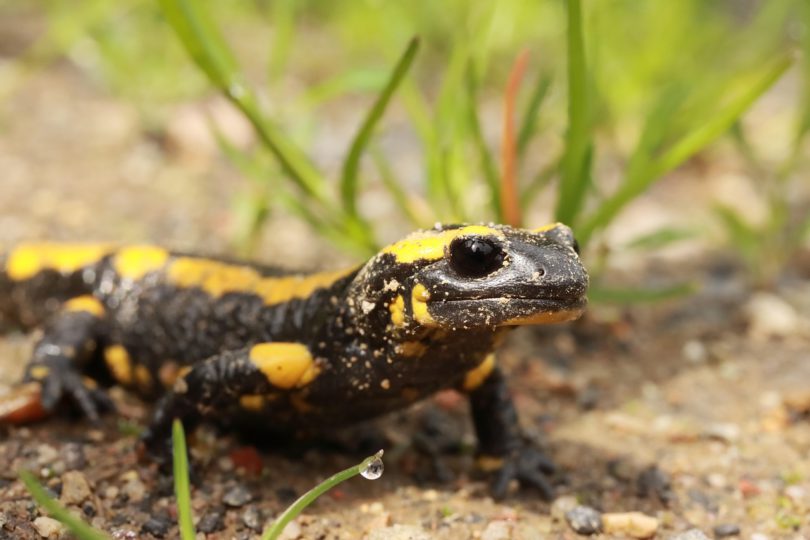
One of the most famous regenerators is the salamander. If a salamander loses a leg, it can grow a new one that includes bones, muscles, nerves, and skin. The regenerated limb functions almost exactly like the original.
Starfish are another striking example. Some species can regenerate entire arms, and in some cases, a single arm can grow into a whole new starfish.
Lizards can regrow their tails after losing them to escape predators. While the new tail may not be identical to the original, it restores balance and mobility.
Certain worms, jellyfish, and planarian flatworms take regeneration even further. Some can regenerate most of their bodies from just a small fragment.
The Role of Specialized Cells
One key reason some animals can regenerate is the presence of specialized cells that remain flexible throughout life. These cells can change into different types of tissue as needed.
In regenerating animals, cells near the injury site often revert to a more basic state. This process allows them to divide and form new tissues. Scientists call this group of cells a blastema, which acts like a temporary growth zone.
Humans have fewer cells with this level of flexibility, especially in adulthood, which limits our regenerative abilities.
Genetics and Regeneration
Genes play a major role in regeneration. Animals that regenerate well have genetic instructions that activate growth programs after injury. These programs guide cells on where to grow, what shape to form, and when to stop.
In animals like salamanders, these genetic signals remain active throughout life. In mammals, similar genes exist but are often switched off or tightly controlled to prevent uncontrolled growth.
This balance helps protect humans from issues like cancer, but it also restricts large scale regeneration.
Evolutionary Tradeoffs
Regeneration did not evolve equally in all animals. From an evolutionary perspective, regeneration is costly. Growing new tissue requires energy, nutrients, and time.
For some animals, regeneration offers a strong survival advantage. A salamander that loses a leg can recover and continue living normally. A lizard that drops its tail can escape a predator and later regrow it.
In larger, longer lived animals, other survival strategies may have been more effective. Strong immune systems, faster wound healing, or behavioral defenses may have replaced the need for full regeneration.
Simpler Body Structures Help
Animals with simpler body plans often regenerate more easily. Their tissues are less specialized, making it easier to rebuild missing parts.
In contrast, complex organisms like mammals have highly specialized cells that perform specific functions. Recreating this complexity without errors is far more challenging.
This difference helps explain why regeneration is common in invertebrates and amphibians but rare in birds and mammals.
The Immune System Factor
The immune system also plays a role in regeneration. In animals that regenerate well, the immune response to injury is often milder and more controlled.
In humans, inflammation is a key part of healing, but excessive inflammation can interfere with regeneration. Scar tissue forms quickly, which seals wounds but prevents new structures from growing.
Animals that regenerate tend to form less scar tissue, allowing new cells to organize properly.
What This Means for Science and Medicine
Studying regenerative animals helps scientists explore new possibilities for human healing. Researchers are investigating how to activate dormant regenerative pathways, reduce scarring, and encourage tissue repair.
While regrowing human limbs remains far from reality, advances in regenerative medicine have already improved treatments for burns, wounds, and organ damage.
The goal is not to turn humans into salamanders, but to learn how nature solves complex repair problems.
Nature’s Built In Repair Systems
Regeneration is a reminder that nature has developed many solutions to survival. Some animals rely on speed, others on camouflage, and some on the ability to rebuild themselves after injury.
These abilities are not magic. They are the result of millions of years of evolution, shaped by environment, risk, and opportunity.
A Window Into Life’s Potential
The animals that regenerate body parts offer a glimpse into what biology can achieve. Their abilities challenge our understanding of healing and push science to think differently about repair and recovery.
By studying why some animals can regenerate while others cannot, we gain insight not only into nature, but also into the future possibilities of medicine and human health.