
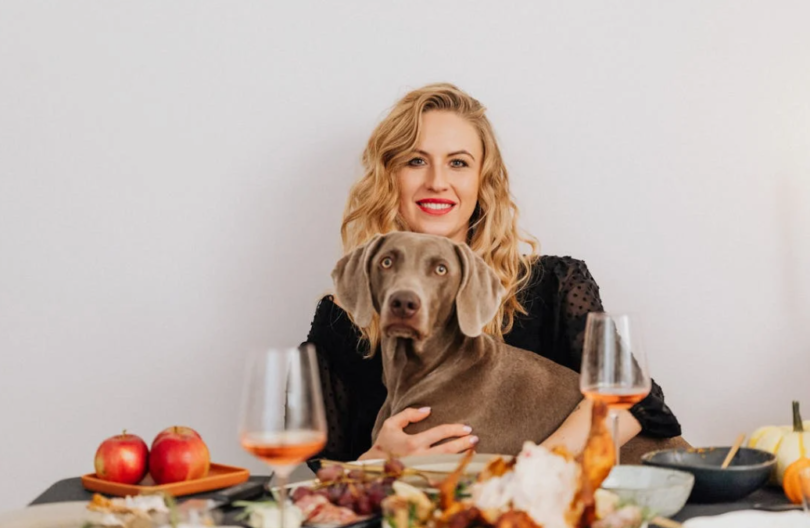
After a long day of walks in the neighborhood or guarding the house, pets in New Zealand have a new way to relax non alcoholic wine.
The drink, developed in response to dogs’ and cats’ reactions to fireworks, is safe for use and may contribute to the health and well being of pets.
Muttley’s Estate, a company in New Zealand, found a unique way to calm dogs.
It does so through a variety of non alcoholic beverages including names like Pawt, Champawgne, Purrno Noir, and Sauvignon Bark.
The company, based in Auckland, aims to bring the sophistication and joy of wine culture to the world of pets.
The company produces beverages enriched with catnip to improve the mood of pets both dogs and cats.
The effect on cats is noticeable in reducing stress, improving mood, and stimulating appetite.
For dogs, the effect is seen in promoting relaxation, stimulating appetite, and aiding digestion.
Catnip is an aromatic plant in the mint family.
Its leaves and stem contain a special chemical compound released when the plant is bruised.
When this chemical reaches certain receptors in a cat’s sensitive nose, it may trigger responses leading to temporary changes in brain activity.
When cats smell the unique chemical, it stimulates parts of the brain related to mood, particularly feelings of euphoria and happiness, while inducing calm from the moment of smelling.
This reaction is unique to cats and does not affect the human brain, which is structured differently. The company owner said he began producing pet wine after seeing similar products overseas, such as beer for dogs.
Its good for stressful situations,” he explained. He developed expertise over the years and created a beneficial product for pets.
The wine quickly gained a customer base in New Zealand and Australia, and the company hopes to expand to Asia and North America.
The owner points to New Zealand’s wine culture as part of the success.
Im not sure we would have had the same success if we marketed it as a pet snack he said.
The product already has potential customers in Thailand and Japan, with hopes to expand the market also through suppliers in the United States and the United Kingdom.
In the future, he hopes to sell the product at pet shows and perhaps wine festivals.
However, the path to success was not simple, as the company faced challenges exporting what is called wine, because officials assumed it contained alcohol.
Some customs authorities try to impose import or export taxes until they understand it is not an alcoholic consumer product he said.