
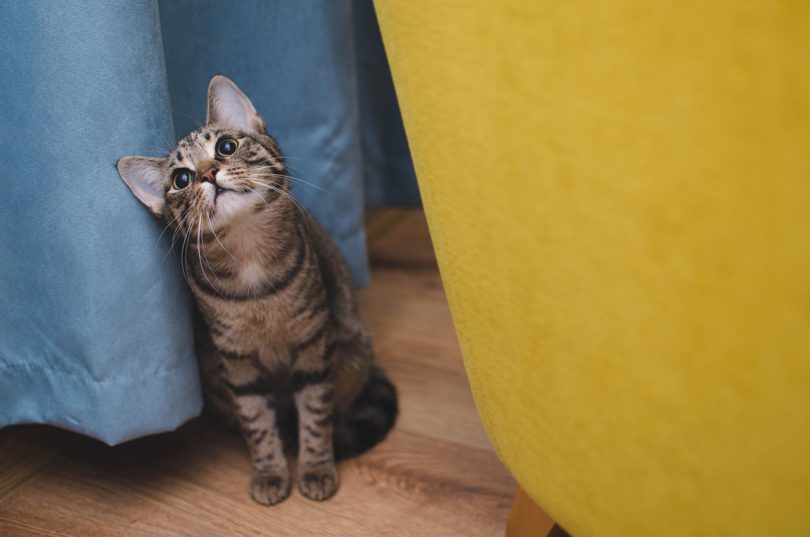
Pets communicate constantly, but not always in ways humans instinctively understand. Many behaviors that worry, frustrate, or confuse pet owners are actually normal forms of communication or instinctive actions. Misinterpreting these signals can lead to unnecessary stress for both pets and people.
By learning what common pet behaviors really mean, owners can build stronger, calmer relationships with their animals.
Dogs Wagging Their Tails
A wagging tail is often assumed to mean happiness, but this is not always the case. Dogs use tail movement to express many emotions, including excitement, uncertainty, and even anxiety. The speed, height, and stiffness of the wag all matter.
A loose, relaxed wag often signals comfort, while a stiff, rapid wag held high can indicate tension or alertness. Understanding the full body language, including ears and posture, helps clarify what the dog is feeling.
Cats Knocking Things Over
Many cat owners wonder why their cat pushes objects off tables or shelves. This behavior is not spite or boredom alone. Cats are naturally curious and use their paws to explore their environment.
Knocking objects down helps cats test movement, sound, and gravity. It can also be a way to get attention, especially if the owner reacts immediately. Providing interactive toys and regular playtime can reduce this behavior.
Dogs Chewing Household Items
Chewing is a natural dog behavior, especially for puppies. It helps relieve teething discomfort, reduce stress, and explore textures. When adult dogs chew furniture or shoes, it is often a sign of boredom, anxiety, or excess energy rather than disobedience.
Providing appropriate chew toys and sufficient exercise helps redirect this instinct in a healthy way.
Cats Hiding for Long Periods
When cats hide under beds or in closets, owners may worry something is wrong. While sudden or extreme hiding can signal illness or stress, occasional hiding is completely normal.
Cats are both predators and prey in the wild. Having a safe hiding place helps them feel secure. Loud noises, visitors, or changes in routine often trigger this instinct. Giving cats quiet spaces they can retreat to helps them feel safe.
Dogs Licking People Excessively
Licking is one of the primary ways dogs communicate. While it can be a sign of affection, excessive licking may also signal anxiety, submission, or a desire for reassurance.
Some dogs lick when they are overstimulated or uncertain. Observing when the behavior occurs helps determine whether it is affection or stress related. Calm responses and gentle redirection can reduce excessive licking.
Cats Bringing Dead Animals Home
Few behaviors are more misunderstood than cats bringing dead prey into the house. This is not cruelty or a gift in the human sense. It is instinctive behavior rooted in hunting.
In the wild, cats bring prey back to safe locations. Some experts believe domestic cats may also be demonstrating hunting skills or responding to an instinct to share food. While unpleasant, this behavior is normal for cats with outdoor access.
Birds Screaming or Making Loud Noises
Birds vocalize to communicate, bond, and express emotion. Loud noises are not always signs of distress. Many birds are naturally social and vocal, especially in the morning and evening.
Sudden changes in noise patterns may indicate stress or boredom. Enrichment, regular interaction, and consistent routines help birds feel secure and balanced.
Dogs Ignoring Commands
When a dog appears to ignore commands, owners often assume stubbornness. In reality, dogs may be distracted, confused, or stressed. Training relies on clear communication and consistency.
Environmental factors such as noise, new smells, or unfamiliar people can interfere with focus. Reinforcing commands in calm settings and using positive reinforcement improves responsiveness.
Cats Purring During Stress
Purring is commonly associated with contentment, but cats also purr when they are injured, frightened, or in pain. This behavior may help calm themselves or promote healing.
It is important to look at the full context. A purring cat that is hiding, tense, or lethargic may need veterinary attention even if the sound seems reassuring.
Small Pets Freezing in Place
Rabbits, hamsters, and guinea pigs sometimes freeze when handled or startled. This does not mean they are calm. It is a fear response known as tonic immobility.
In the wild, freezing can help avoid detection. Owners should handle small pets gently and allow them to approach interaction on their own terms.
Why Understanding Behavior Matters
Misunderstanding pet behavior can lead to frustration or punishment that increases fear and confusion. When owners learn what behaviors truly mean, they can respond with empathy and appropriate support.
Pets rely on humans to interpret their signals correctly. A behavior that seems annoying or strange is often an attempt to communicate a need or emotion.
Building Better Communication
Spending time observing pets without judgment is one of the best ways to understand them. Body language, routine changes, and context provide valuable clues.
Education, patience, and compassion go a long way in strengthening the bond between people and animals. The more we understand their natural behaviors, the better we can meet their needs.
Understanding Leads to Better Care
Pets do not behave randomly. Their actions are shaped by instinct, environment, and emotion. By learning what common behaviors really mean, owners can create safer, happier homes for their animals.
Understanding behavior is not about control. It is about communication. When owners listen more closely, pets respond with trust, comfort, and deeper connection.